Character Development Theories
by Admin
Posted on 01-10-2025 01:47 PM

Understanding Character Development
Character development refers to the process by which a character grows, changes, and evolves over the course of a story. This can involve changes in their personality, behavior, relationships, and overall worldview. Effective character development is essential for creating a compelling narrative, as it allows readers to become invested in the characters' journeys and outcomes. There are several key elements that contribute to character development, including motivation, conflict, and dialogue. By understanding these elements, writers can create characters that feel authentic and relatable.
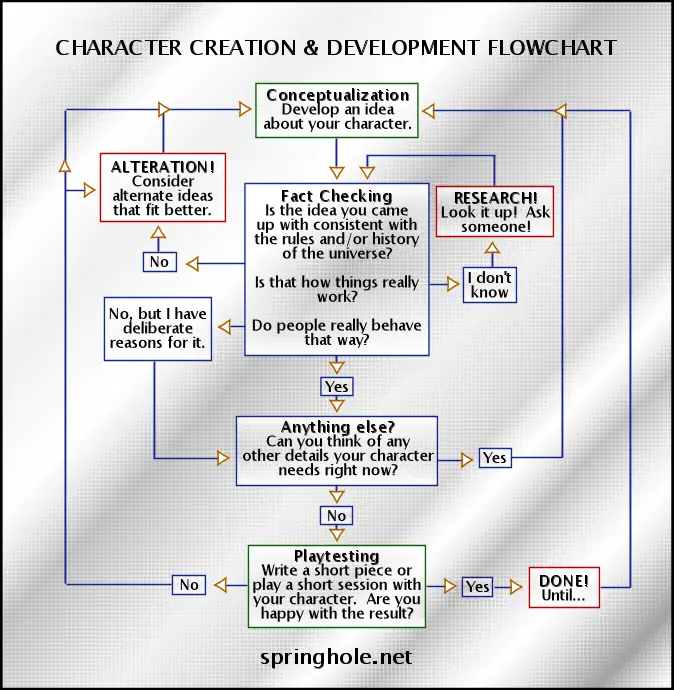
Theories of Character Development
There are several theories of character development that have been proposed over the years. One of the most influential is the psychoanalytic theory, which suggests that character development is driven by unconscious motivations and desires. This theory, developed by Sigmund Freud, proposes that characters' behaviors and actions are influenced by their unconscious mind, which is shaped by their past experiences and relationships. Another theory is the humanistic theory, which emphasizes the importance of personal growth and self-actualization in character development. This theory, developed by Carl Rogers, suggests that characters develop and evolve through their experiences and relationships, as they strive to become the best version of themselves.
Psychoanalytic Theory
The psychoanalytic theory of character development is based on the idea that the unconscious mind plays a significant role in shaping behavior and personality. According to this theory, characters' unconscious motivations and desires drive their actions and decisions, often outside of their conscious awareness. This theory can be useful for creating complex and nuanced characters, as it allows writers to explore the underlying psychological mechanisms that drive their behavior. For example, a character may be motivated by a desire for revenge, which is driven by an unconscious sense of anger and hurt. By understanding the psychoanalytic theory, writers can create characters that feel more realistic and believable.
Humanistic Theory
The humanistic theory of character development, on the other hand, emphasizes the importance of personal growth and self-actualization. According to this theory, characters develop and evolve through their experiences and relationships, as they strive to become the best version of themselves. This theory can be useful for creating characters that undergo significant transformations over the course of a story. For example, a character may begin as a timid and insecure individual, but through their experiences and relationships, they develop into a confident and self-assured person. By understanding the humanistic theory, writers can create characters that feel more dynamic and relatable.
Character Development Techniques
There are several techniques that writers can use to develop their characters, including character interviews, backstory development, and dialogue analysis. Character interviews involve asking questions about a character's motivations, desires, and fears, in order to gain a deeper understanding of their personality and behavior. Backstory development involves creating a character's history and background, in order to understand their motivations and actions. Dialogue analysis involves examining a character's speech patterns and language use, in order to gain insights into their personality and relationships. By using these techniques, writers can create characters that feel more fully realized and believable.
The Role of Conflict in Character Development
Conflict is a crucial element of character development, as it provides characters with opportunities for growth and change. Conflict can take many forms, including internal conflict, interpersonal conflict, and environmental conflict. Internal conflict refers to the conflicts that characters experience within themselves, such as doubts, fears, and uncertainties. Interpersonal conflict refers to the conflicts that characters experience with others, such as disagreements, arguments, and power struggles. Environmental conflict refers to the conflicts that characters experience with their environment, such as natural disasters, social injustices, and economic challenges. By using conflict to drive character development, writers can create characters that feel more dynamic and engaging.
The Importance of Character Development in Storytelling
Character development is essential for creating a compelling narrative, as it allows readers to become invested in the characters' journeys and outcomes. When characters are well-developed and relatable, readers are more likely to care about what happens to them, and to become emotionally invested in the story. This can lead to a more engaging and memorable reading experience, as readers are able to connect with the characters on a deeper level. Furthermore, understanding various Character Development Theories can also provide insights into the human condition, allowing readers to reflect on their own experiences and relationships. By creating well-developed and relatable characters, writers can craft stories that resonate with readers and leave a lasting impact.
Conclusion
Character development is a complex and multifaceted process that involves creating believable and relatable characters that capture the reader's imagination. By understanding the various theories of character development, including the psychoanalytic and humanistic theories, writers can create characters that feel more nuanced and engaging. By using techniques such as character interviews, backstory development, and dialogue analysis, writers can develop characters that feel more fully realized and believable. Furthermore, by using conflict to drive character development, writers can create characters that feel more dynamic and engaging. Ultimately, character development is essential for creating a compelling narrative, and by prioritizing character development, writers can craft stories that resonate with readers and leave a lasting impact.
FAQs
What is character development?
Character development refers to the process by which a character grows, changes, and evolves over the course of a story.
Why is character development important in storytelling?
Character development is essential for creating a compelling narrative, as it allows readers to become invested in the characters' journeys and outcomes.
What are some techniques for developing characters?
Some techniques for developing characters include character interviews, backstory development, and dialogue analysis.
How can conflict be used to drive character development?
Conflict can be used to drive character development by providing characters with opportunities for growth and change, and by revealing their motivations, desires, and fears.
What is the difference between psychoanalytic and humanistic theories of character development?
The psychoanalytic theory emphasizes the role of the unconscious mind in shaping behavior and personality, while the humanistic theory emphasizes the importance of personal growth and self-actualization.
Can character development be used to create more realistic and believable characters?
Yes, character development can be used to create more realistic and believable characters, by providing them with complex motivations, desires, and conflicts, and by revealing their inner thoughts and feelings.